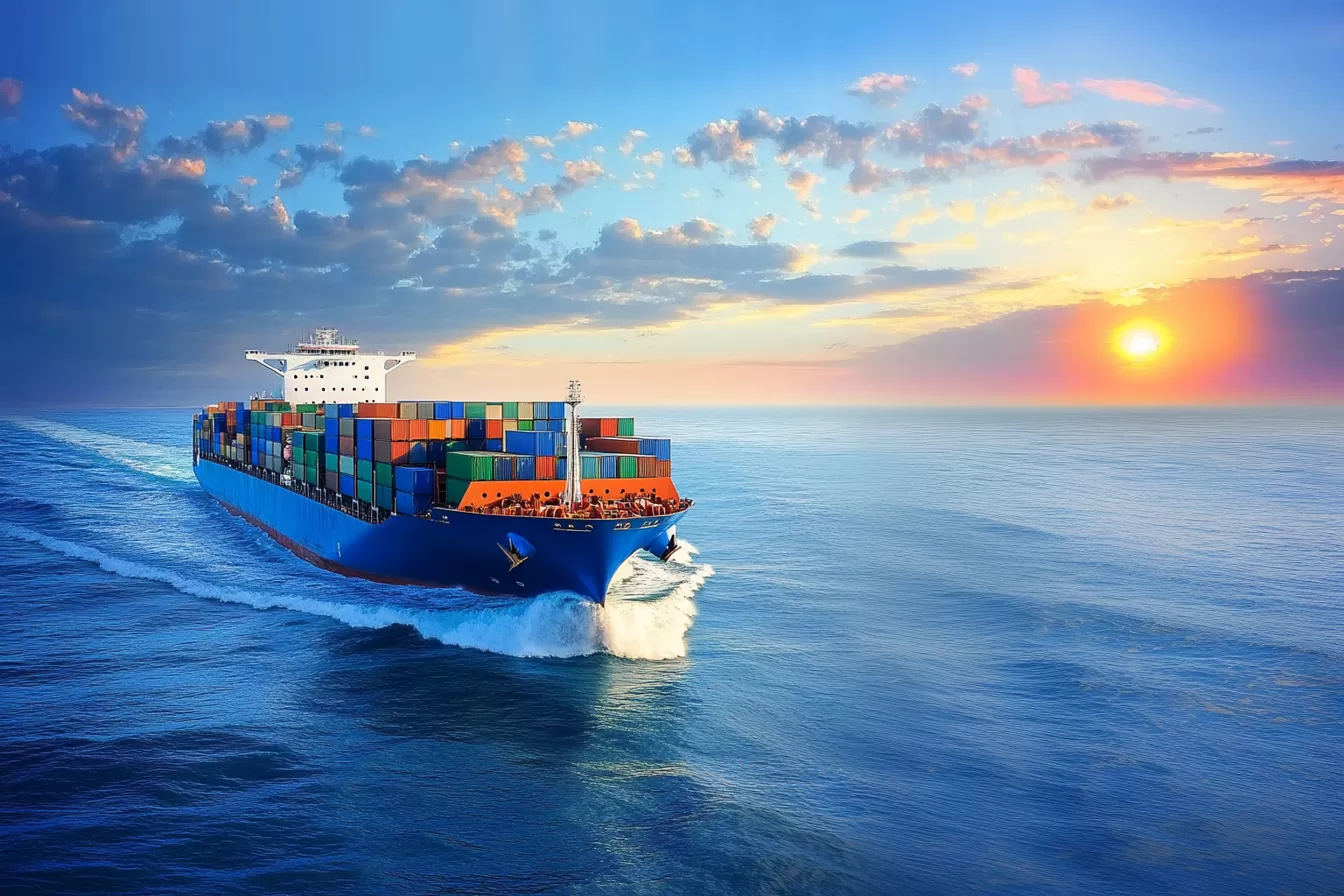
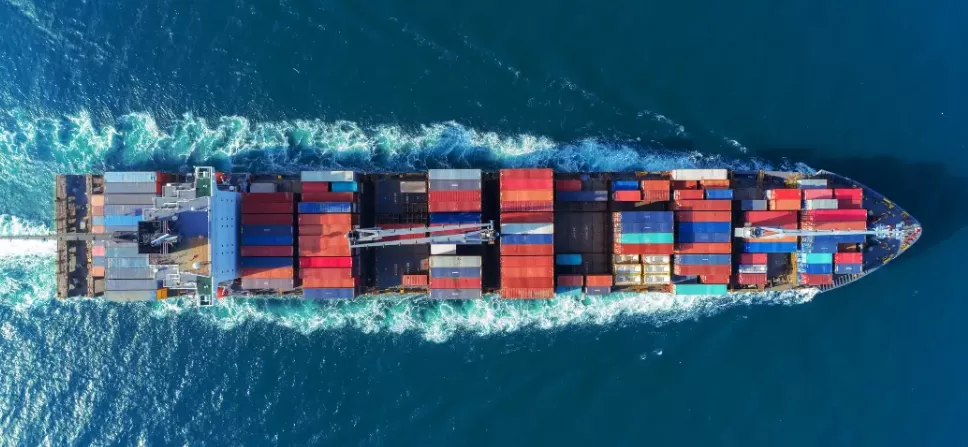
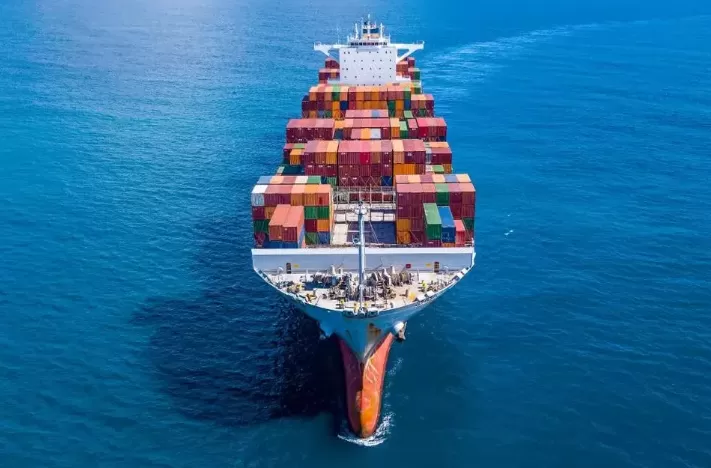
The US-China sea freight route powers global trade, but 2025 brings unprecedented risks from escalating tariffs, reciprocal port fees, and record blank sailings. Small and medium-sized enterprises (SMEs) and entrepreneurs face supply chain disruptions that can erode profits, delay deliveries, and strain cash flow. As a leading third-party logistics provider, Forest Leopard International Logistics delivers comprehensive supply chain solutions tailored for SMEs, helping you mitigate these challenges with reliable sea shipping, air options, and expert guidance.
This guide explores current US-China sea freight risks, analyzes port policy shifts, and outlines actionable strategies. Whether you're shipping electronics, consumer goods, or e-commerce inventory, understanding these dynamics ensures business continuity. Discover how Forest Leopard's 99.7% on-time delivery rate and hassle-free services keep your operations smooth amid uncertainty.
⚓ 1.Understanding the Current US-China Sea Freight Risk Landscape
The US has established new tariffs, called "Liberation Day Tariffs," and charged different fees for ports that vary from $50 to $140 per ton. These measures have had a tremendous impact on the US-China sea freight corridor. Carriers canceled the largest number of voyages from China to the US and vice versa since the pandemic in October 2025 alone: 67 and 71, respectively. The vessels are rerouting to avoid the charges and because of lower demand. Freight rates have doubled—10-20%—due to fuel costs which are still volatile and congestion that is still persistent at main points of transit like the Port of Los Angeles and Long Beach.
Geopolitical frictions only make the situation worse. Among the various US Section 301 maritime investigations, one of the Chinese countermeasures is a ban on American vessels entering Chinese ports. This is a sign of an escalating tit-for-tat. Small and medium enterprises (SMEs) are affected badly: they suffer from stock shortages, resort to fast aerial freight options, and face unexpected demurrage cost. Demand decline due to tariff-affected trade volumes, which have gone down to a 46-year low, continues to put pressure on the capacity and small shippers find themselves fighting for the limited space.
Forest Leopard tracks these market dynamics through daily operations while their seasoned staff manages the complex operational requirements. Our transparent communication and precise documentation ensure cargo arrives intact and on time, even as blank sailings proliferate. The shipping route visibility stands as a crucial factor for SMEs because a single policy tweet can lead to extended delays that last for multiple weeks.
🚢 2.Key Impacts of Port Policy Changes on SMEs
A change in port policy does not merely result in the increase of fees but also causes a major disruption in the whole supply chain. The charges that the US has imposed can be directly passed on to the importers, whereas the fees that are imposed by China in response to the US are following the same structure. This manner of doing things leads to an instant increase in the total costs of imported goods by 10-20%. The time taken for customs clearance has increased by 100% at Shanghai and Los Angeles ports, thus, resulting in the shipping containers being stranded and the storage fees being triggered. The SMEs that are sensitive to cash flow are the ones hardest hit by all of this.
Think about the wider impacts: New tariffs on HS code reclassifications lead to the delay of the inspection process which in turn leads to the increase of the holding fees by 5-15% during the friction peak times. Trade data reveals that the volumes of US-China trade are going down drastically, which is forcing the business people to reconsider the processes and sources of supply as well as the ways of fulfillment. The dependency on a single route for transportation exposes the businesses to the risks which are seriously increased and thus the due logistics become a gamble to be played.
All these changes for e-commerce sellers and manufacturers mean the disruption of just-in-time inventory models. Forest Leopard, on the other hand, has a meticulous structure of customs preparation which goes all the way from export licenses to prompt clearance, thus the delays and compliance-related issues are minimized. We take care of supplier communications and carrier engagements so that SMEs can continue with their business without being influenced by the chaos brought about by the policies and can thus focus on their growth.
🧭 3.Proven Strategies to Mitigate US-China Sea Freight Risks
Proactive planning is essential for SMEs facing US-China sea freight volatility. Start with route diversification: adopt a "China+1" strategy, rerouting via Vietnam, Mexico, or Southeast Asian ports to sidestep high-fee gateways while keeping costs competitive. This spreads risk without overhauling suppliers.
Next, lock in capacity early. Secure long-term space agreements with carriers for 30-day rate stability, and blend sea freight with air or rail for urgent shipments. Multimodal approaches cut exposure to sea-specific disruptions. Forest Leopard excels here, offering air shipping rates 20-40% below competitors through global airline partnerships, ensuring flexibility without premium pricing.
Forest Leopard integrates these into end-to-end services, from pickup to door-to-door delivery. Our GuardianShield™ Cargo Insurance compensates 110% of cargo value, covering policy-related losses and providing peace of mind.
🛡️ 4.How Third-Party Logistics Empowers SMEs Against Policy Volatility
Third-party logistics (3PL) providers like Forest Leopard offer SMEs a competitive edge through full-spectrum support. We deliver blockchain-enabled transshipment tracking and "three-stage" customs clearance for seamless compliance. Priority access to 10% reserved capacity on alternative routes, combined with financial hedging tools, neutralizes volatility.
Our award-winning services—rated 4.9/5.0 on platforms like Facebook and Alibaba—handle everything: loading, shipping arrangements, cargo inspections, port operations, and order fulfillment. Clients rave about smooth experiences: "Working with Vicky was really smooth sailing!" notes one user, while another praises Anna Zhou's cooperative expertise. New Amazon sellers highlight our communication, pricing, and early arrivals.
Overseas warehouses and risk-tiered plans convert uncertainties into fixed costs. For SMEs, this means freedom from daily operations—enjoy life while we manage the haven of your supply chain, true to our name inspired by "portus," the Latin for harbor.
In summary, US-China sea freight risks demand agility. By diversifying, leveraging tech, and partnering with reliable 3PLs, SMEs thrive amid port policy storms. Contact Forest Leopard today for a free consultation on safeguarding your shipments.
❓ FAQs
1.What are the primary port policy changes impacting US-China sea freight in 2025?
Key shifts include US per-ton fees of $50-140 and China's reciprocal measures, fueling blank sailings and rate hikes.
2.How can SMEs prevent disruptions from blank sailings?
Reserve space via forwarders early and diversify to ports in Vietnam or Mexico for reliable alternatives.
3.What insurance does Forest Leopard offer for policy risks?
GuardianShield™ provides 110% cargo value coverage, protecting against delays, damages, and tariff impacts.
4.Which tech tools track tariff and policy effects effectively?
AI platforms enable HS code checks, CBP monitoring, and predictive analytics to avoid compliance issues.
5.How much can multimodal shipping save during US-China fee surges?
Providers like Forest Leopard deliver 20-40% air cost reductions, blending modes for optimal efficiency.

 EN
EN
 FR
FR
 ES
ES
 JA
JA
 PT
PT
 RU
RU
 AR
AR
 中文
中文