For the past few years, the Section 321 "De Minimis" exemption (allowing duty-free entry for shipments under $800) has been the golden ticket for e-commerce sellers. It fueled the rise of giants like Shein and Temu, and it allowed thousands of Amazon and Shopify sellers to ship directly from China without paying tariffs.
But the "Wild West" era is over.
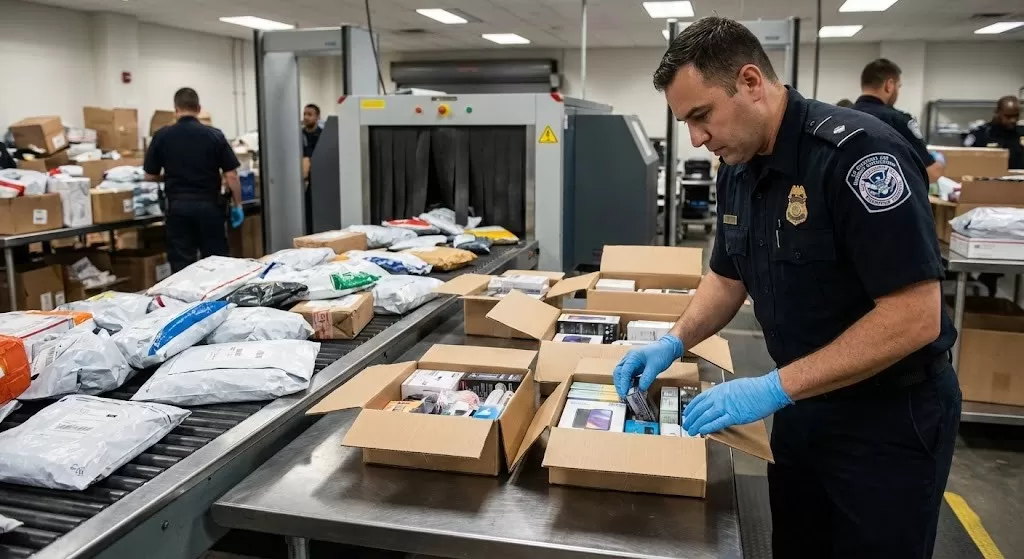
Starting in mid-2024 and intensifying into 2026, US Customs and Border Protection (CBP) has launched a massive enforcement campaign targeting Entry Type 86 (the electronic filing method for Section 321).
CBP has already suspended several major customs brokers and seized millions of packages. The message is clear: Compliance is no longer optional.
If you are shipping small parcels from China to the US, here is what you need to know to prevent your cargo from being flagged, seized, or returned.
What Changed? The "Vague Description" Trap
In the past, many sellers got away with lazy data. They would label a shipment as "Daily Necessities" or "Plastic Goods" and it would pass through JFK or LAX without issue.
In 2026, this is an immediate trigger for a hold.
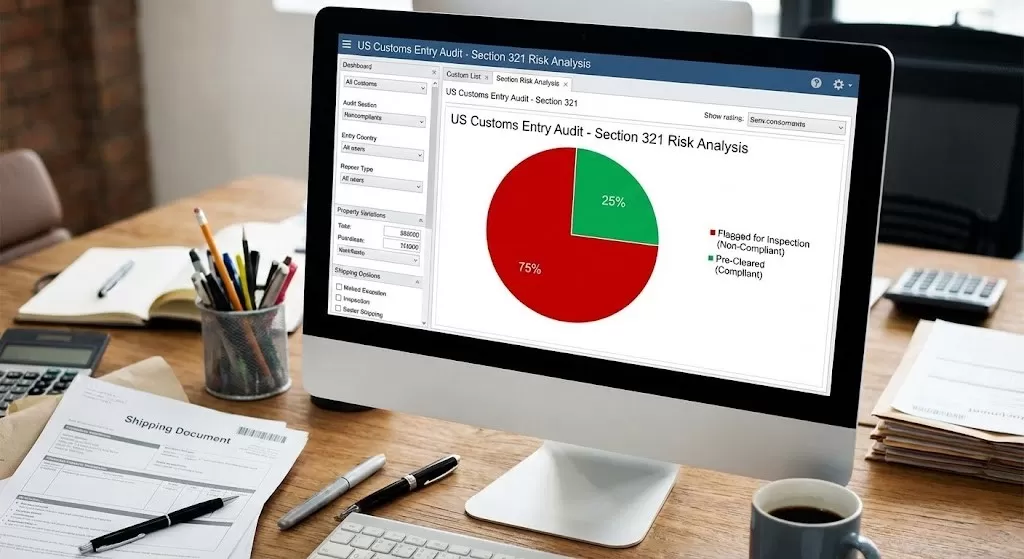
CBP's algorithms now automatically flag shipments with:
1. Vague Cargo Descriptions: "Accessories," "Parts," or "Gifts" are instant red flags.
2. Invalid HS Codes: Using a generic code that doesn't match the product.
3. Bad Consignee Data: Shipping to a warehouse address but claiming it's a "personal" shipment.
The Reality: If CBP flags one package in your consolidated master bag, the entire batch (containing hundreds of other orders) can be held for inspection.
The 3 Biggest Risks for Sellers Right Now
1. Broker Suspension Risk
CBP is holding customs brokers accountable. If a broker files too many "bad entries" (vague descriptions), CBP suspends their ability to file Type 86 entries entirely.
What this means for you: If you use a cheap, low-quality logistics provider, their broker might get banned overnight. Suddenly, your goods are stuck at the airport with no one to clear them.
2. "Structuring" Accusations
Some sellers try to import $5,000 worth of goods by splitting them into seven $700 packages shipped to the same address on the same day.
This is illegal. It is called "Structuring," and CBP is tracking consignee names and addresses to catch this. If caught, you face massive fines and a permanent ban on using Section 321.
3. Intellectual Property (IP) Seizures
With Type 86, CBP has stepped up IP enforcement. If you are shipping "unbranded" sneakers that look suspiciously like Nikes, or phone cases with unauthorized anime characters, they will be seized and destroyed.
Forest Leopard’s "White Hat" Compliance Strategy
At Forest Leopard, we anticipated this crackdown. While other forwarders are scrambling, our Type 86 solution is built on strict data compliance. We ensure your shipments keep moving by doing the work upfront.
Here is how we keep your Section 321 shipments safe:
1. Precise HTS Code Classification
We don't guess. Our team reviews your product list before shipping.
- Bad Description: "Shirt"
- Forest Leopard Standard: "Women's Knit Cotton T-Shirt, Short Sleeve" (linked to the correct 10-digit HTS code).
- Result: CBP algorithms see valid data and let the package pass.
2. Data Validation at Origin (Shenzhen/Yiwu)
We validate the electronic manifest data against the physical label at our Chinese warehouses. If the weight doesn't match or the description is missing, we fix it in China. We don't wait for the error to be found in Los Angeles.
3. Legitimate Consignee Vetting
We ensure that the "Ultimate Consignee" listed on the paperwork is the actual final customer (or a valid fulfillment center with proper setup), preventing "Structuring" flags.
Checklist: Will Your Shipment Pass the 2026 Standard?
Before you book your next air freight shipment, ask your current forwarder these three questions:
"Do you use automated software to screen for vague descriptions before filing?"
"What is your plan if your customs broker gets suspended by CBP?" (Forest Leopard works with multiple diversified brokerage partners to ensure redundancy).
"Can you handle complex HS Code classification for my SKU list?"
Conclusion: Compliance is Your Competitive Advantage
The crackdown on Section 321 isn't meant to stop trade; it's meant to stop cheating.If you are shipping bulk cargo valued over $800, Section 321 does not apply. You need a Formal Entry. Learn more about [High-Value DDP Shipping & IOR Risks ].
In 2026, the fastest way to ship from China to the US isn't by cutting corners—it's by having perfect paperwork. Don't let a "lazy declaration" destroy your Q1 sales.
Worried about your current logistics setup?
Contact Forest Leopard’s Compliance Team. Let us audit your shipping data to ensure it meets the new Type 86 standards.

 EN
EN
 FR
FR
 ES
ES
 JA
JA
 PT
PT
 RU
RU
 AR
AR
 中文
中文