A shipment doesn’t have to vanish into thin air to be considered “lost.”
In international shipping, most “lost cargo” cases start the same way:
tracking stops updating, the container misses its connection, or the delivery window quietly passes with no explanation.
For importers, especially Amazon FBA sellers and B2B buyers, the real question isn’t where did it go — it’s who is responsible, and who pays when it doesn’t show up.
This guide breaks down what “lost in transit” actually means, where shipments usually disappear, and how responsibility shifts across each stage of the journey.
What “Lost in Transit” Actually Means in International Shipping
In logistics, “lost” does not automatically mean stolen or destroyed.
A shipment is typically considered lost when:
-
It has missed all expected transit milestones
-
No carrier or terminal can physically locate it
-
Recovery is no longer commercially reasonable
In practice, most cases fall into one of three categories:
-
Delayed but recoverable (misrouted, rolled, held at a terminal)
-
Unaccounted for (documentation mismatch, wrong container release)
-
Declared lost (after carrier investigation and time limits)
This distinction matters, because liability and compensation depend on when the shipment is legally considered lost — not when you panic.
The 4 Most Common Stages Where Shipments Go Missing
Shipments rarely disappear at sea. They disappear at handover points.
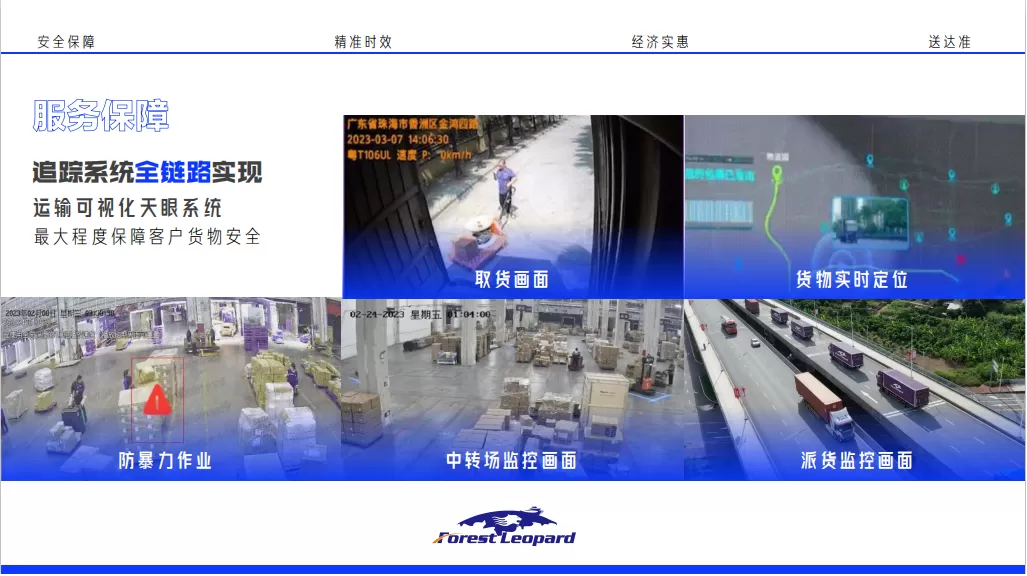
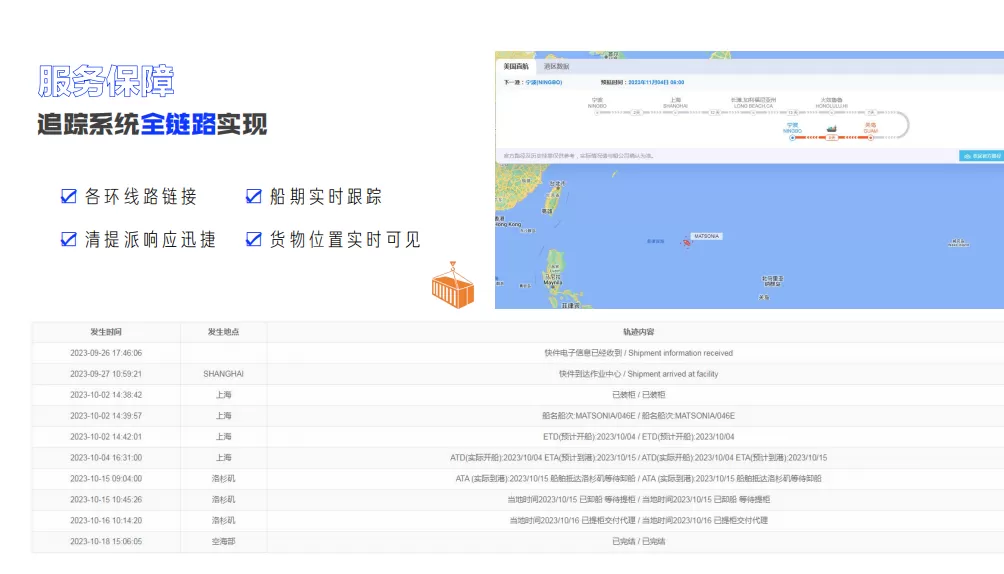
(Real-time visibility across pickup, transshipment, bonded storage, and final delivery is how professional forwarders detect loss risk before it becomes a claim.)
1. Before Port Departure
Common causes include incorrect container numbers, missed gate-in, or cargo released to the wrong truck at origin.
This is where poor pickup supervision and weak documentation control create silent problems that surface weeks later.
2. At Transshipment Ports
Transshipment hubs handle massive volumes under time pressure. Containers can be misloaded, rolled to a later vessel, or discharged at the wrong terminal.
Once this happens, tracing responsibility becomes complex — fast.
3. During Customs or Bonded Storage
Shipments held for inspection or compliance issues are vulnerable to misplacement, especially when moved between bonded facilities.
This stage often turns a “delay” into a “loss” because paperwork and physical custody fall out of sync.
4. During Final Delivery
The last mile carries its own risks: wrong delivery appointment, incorrect warehouse code, or release without proper proof of delivery.
Many “lost” shipments are actually delivered — just not to the right party.
Who Is Responsible When a Shipment Is Lost? (By Shipping Stage)
Responsibility in shipping is not emotional. It is contractual and stage-specific.
As explained in our guide on At What Point Does Risk Transfer in International Shipping, risk transfers when custody transfers — not when money changes hands.
In simplified terms:
-
Before carrier pickup → Shipper / supplier responsibility
-
During international carriage → Carrier liability (with strict limits)
-
After customs clearance → Party controlling delivery
-
After delivery confirmation → Buyer’s responsibility
This is why two importers can lose identical shipments — and only one gets compensated.
Carrier Liability vs Freight Insurance: Why Most Sellers Get This Wrong
Carrier liability is not insurance.
Most ocean and air carriers limit liability to a small amount per kilogram, regardless of your cargo’s value. For high-value goods, this often covers less than 10% of the actual loss.
Freight insurance exists to fill this gap.
If you’re not clear on the difference, review our breakdown in Freight Insurance: What’s Covered & What’s Not — and compare it with how damage claims work in Common Causes of Cargo Damage.
The hard truth:
If you rely on carrier liability alone, you’re self-insuring the majority of your risk.
Does DDP Shipping Protect You If Cargo Is Lost?
DDP shipping is widely misunderstood.
DDP defines who pays duties and arranges clearance — not who absorbs loss in every scenario.
In many cases, DDP shipments still leave the buyer exposed if:
-
Insurance is not explicitly included
-
Loss occurs outside the agreed risk window
-
The forwarder is acting as an agent, not the carrier
We explain this clearly in Does DDP Shipping Include Insurance? because this assumption causes more disputes than almost any other shipping term.
DDP simplifies logistics.
It does not eliminate risk by default.
Amazon FBA Shipments: What Happens If Inventory Is Lost Before Check-In
For Amazon sellers, loss before FBA check-in is a worst-case scenario.
If inventory never reaches an Amazon fulfillment center, Amazon will not reimburse you, even if tracking shows movement.
Until inventory is officially received and scanned, Amazon considers it your shipment, not theirs.
This is why Amazon-focused sellers need clarity on:
-
Who controls the shipment before check-in
-
Whether loss occurred pre-delivery or post-receipt
-
What documentation proves custody
We cover related packaging and delivery risks in our Amazon FBA shipping guides, but the key point is simple:
No check-in scan = no Amazon liability.
What to Do Immediately When a Shipment Is Declared Lost
Time matters more than blame.
When a shipment is potentially lost:
-
Request a formal carrier investigation immediately
-
Secure all documents (BL, packing list, invoices, delivery records)
-
Freeze payment milestones if contractually possible
-
Notify your insurance provider without delay
Waiting for “one more update” is how recoverable shipments become unrecoverable claims.
How Professional Forwarders Reduce Loss Risk (Without Promising Zero Loss)
No professional forwarder will promise zero loss. That’s unrealistic.
What experienced forwarders do instead is reduce uncertainty and shorten response time.
At Forest Leopard, this means:
-
Full-chain tracking visibility across pickup, transit, and delivery
-
Document consistency checks before cargo moves
-
Controlled handovers at high-risk nodes (ports, bonded zones, final mile)
-
Immediate escalation when data and physical status diverge
(Loss prevention is not about promises. It’s about detecting custody breaks, data mismatches, and abnormal delays early — while recovery is still possible.)
Loss prevention isn’t about perfection.
It’s about seeing problems early — before they become claims.
Final Thought
When a shipment is lost, the financial outcome depends less on luck and more on preparation.
Understanding where responsibility transfers, what carrier liability actually covers, and how insurance fits into the picture is what separates controlled incidents from catastrophic losses.
If you’re moving valuable cargo internationally, risk management is part of the job — whether you plan for it or not.

 EN
EN
 FR
FR
 ES
ES
 JA
JA
 PT
PT
 RU
RU
 AR
AR
 中文
中文