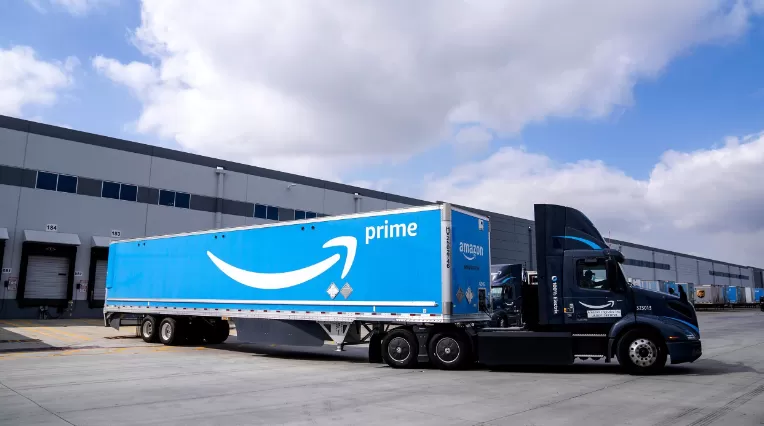
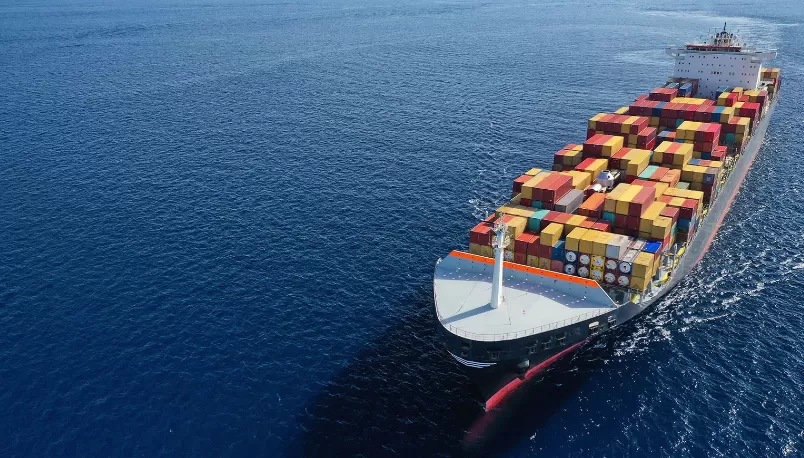
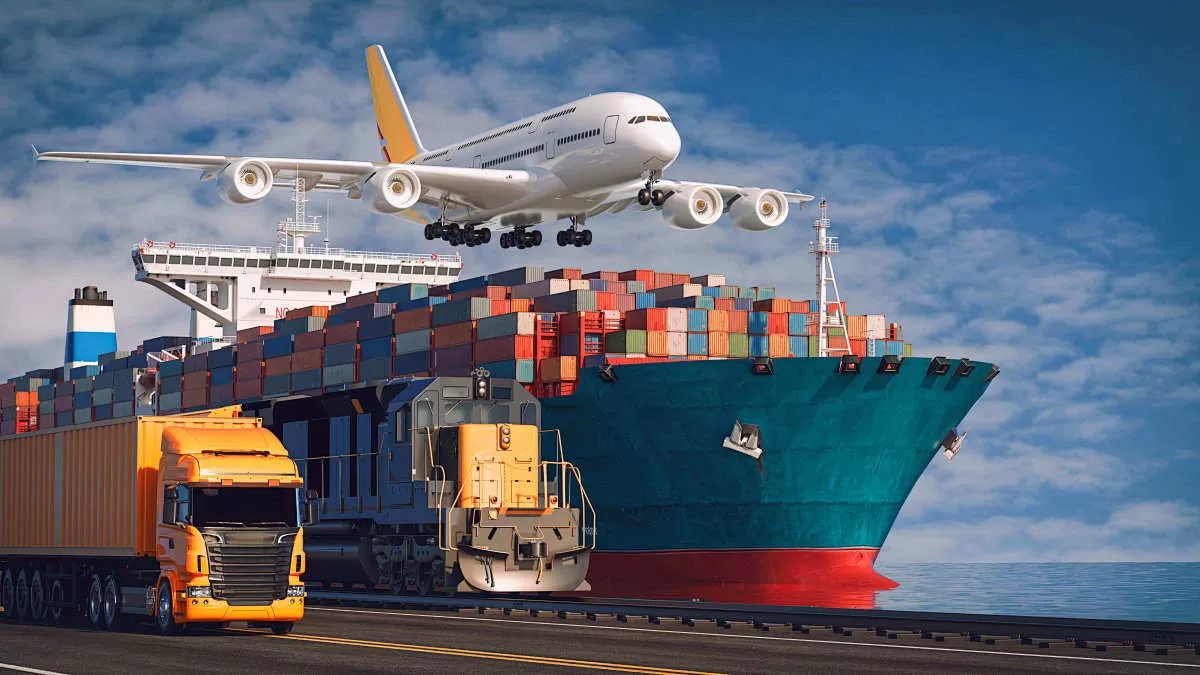
For cross-border e-commerce sellers, sea freight to Amazon FBA has become the backbone of large-volume replenishment because it offers significantly lower unit costs compared with air freight. Yet “the best route” is not simply the cheapest one; it is the route that balances cost, transit time, customs compliance, and last-mile delivery performance to FBA. As a third-party logistics and end-to-end supply chain partner for SMEs, Forest Leopard International Logistics focuses on designing ocean routes that protect your margins while keeping your inventory flowing.
📦 1.Understanding the Basics of Shipping to Amazon FBA
When shipping to Amazon FBA by sea, most sellers use either sea-plus-courier (often called “sea express” or sea + parcel) or sea-plus-truck/rail (often called “sea truck”). Sea-courier solutions typically provide faster, more predictable delivery into FBA, while sea-truck is more economical for heavy or bulky SKUs that can accept slightly longer lead times. Before choosing a route, you must confirm the FBA warehouse codes, appointment rules, and inbound requirements, otherwise even the most efficient sea route can still result in dockside congestion or rejected deliveries.
As a professional freight forwarder, Forest Leopard coordinates with suppliers to collect shipment details—such as weight, volume, and packaging—to determine the most appropriate mode and route before any booking is made.
🌍 2.Common Sea Freight Route Types to FBA
For the US and Europe, sellers typically choose between faster premium services and standard services. Fast services (often via premium carriers or expedited services on the Pacific) provide shorter transit times and relatively stable schedules, but their freight rates are higher and space can be limited in peak seasons. Standard or “general” services are more cost-effective but involve longer sailing times and potentially more variability in actual arrival dates.
Another distinction is between direct and transshipment routes. Direct routes call at fewer ports, offering better time control and lower risk of missed connections. Transshipment routes, which stop at intermediate hubs, may reduce freight rates but increase exposure to congestion, weather disruptions, or port policy changes at the transit ports.
Forest Leopard’s sea shipping brokerage leverages a 99.7% on-time delivery track record to match sellers with the right mix of direct and transshipment solutions based on product profile and sales rhythm.
🗺️ 3.Starting from FBA Warehouse Geography
Route selection should start from the destination market and the geographic distribution of FBA warehouses. For the US, Amazon FBA locations are generally clustered into West Coast, Central, and East Coast regions. West Coast gateways such as Los Angeles and Long Beach usually offer shorter ocean transit and faster door-to-warehouse times for West-focused inventory, whereas East Coast ports may be more suitable when your primary customer base sits closer to the eastern states.
For Europe, Japan, and other marketplaces, Amazon provides its own cross-border logistics solutions (e.g., AGL) and structured FCL/LCL options that can be integrated with third-party freight. An experienced logistics partner helps map your FBA network against port options to minimize inland drayage time and cost.
Forest Leopard’s team routinely aligns port choices with FBA warehouse clusters, then coordinates domestic trucking or rail to ensure a smooth handover from port to FBA dock.
📊 4.Matching Volume and Value to FCL/LCL and Route Choice
| Option |
Best for |
Key Advantages |
Main Risks/Limitations |
| FCL (Full Container Load) |
High and stable shipment volumes to one or few FBA regions |
Lower unit cost; better schedule control; reduced risk of cargo damage due to less handling |
Requires higher upfront inventory; may not be flexible for small sellers or new product launches |
| LCL (Less than Container Load) |
Smaller, variable volumes or multi�SKU test orders |
Lower entry threshold; good for market testing and new listings; flexible consolidation |
Longer handling time; potential delays at consolidation/deconsolidation hubs; higher risk of customs delays due to mixed cargo |
| Hybrid Strategy |
Sellers with mixed product portfolios and uneven sales cycles |
Balances cash flow and stock availability; allows fast movers on FCL and slow movers on LCL |
Requires professional planning and coordination; depends heavily on freight forwarder’s network and IT systems |
Forest Leopard supports SMEs with multi-warehouse strategies—splitting volumes across different FBA sites and sailings to avoid over-concentration on a single route, thereby spreading risk.
⏱️ 5.Balancing Transit Time and Total Landed Cost
To choose the most cost-effective yet reliable sea route to Amazon FBA, SMEs can follow these practical steps:
1) Work backward from your sales calendar.
Identify key promotion periods, seasonal peaks, and new product launches, then calculate the latest acceptable arrival date at FBA and derive the latest sailing date accordingly.
2) Model at least two routing scenarios.
Compare a faster route (shorter transit time, higher freight rate) versus a standard route (longer transit time, lower rate) using total landed cost, including customs, port fees, domestic trucking, and inventory holding cost.
3) Split shipments by urgency.
Allocate a portion of the replenishment to faster or more reliable services to protect against stockouts, while sending the rest via more economical sailings to keep margins healthy.
4) Leverage your 3PL’ s data and network.
Ask your logistics partner, such as Forest Leopard, to provide historical performance data for different ports and carriers, so decisions are based on actual on-time statistics rather than assumptions.
Forest Leopard uses transparent communication and detailed quotations to help business owners compare scenario-based options, so decisions are grounded in total cost and time impact rather than just headline rate.
🛂 6.Considering Customs, Compliance, and Port Risk
Different ports and routes can exhibit varying customs practices, inspection frequencies, and documentation standards. Choosing a route that consistently passes through ports known for efficient clearance may be preferable to marginally cheaper alternatives that are prone to congestion or high inspection rates.
Key risk-control steps include ensuring accurate commercial invoices, packing lists, HS codes, and product compliance documents before cargo departure. A route that appears fast on paper may become problematic if documentation issues or regulatory checks repeatedly cause delays at a specific entry port.
Forest Leopard specializes in meticulous documentation and customs management—preparing export and import paperwork, coordinating with authorities, and correcting potential discrepancies before they become bottlenecks.
🚚 7.Aligning Last-Mile Delivery with Ocean Route
The sea route and last-mile plan to FBA must be designed together. Sea-plus-courier options typically hand over to express carriers after customs clearance, allowing rapid delivery across multiple FBA locations. Sea-plus-truck or sea-plus-rail routes rely on well-planned trucking corridors and capacity, especially when serving inland or multi-state fulfillment networks.
Selecting ports that are geographically closer to dense FBA clusters can reduce inland transit times and trucking costs. In some cases, it is more efficient to route cargo into an overseas warehouse first and then drip-feed smaller shipments into different FBA warehouses based on real-time sales.
Forest Leopard coordinates post-arrival transport with trucking providers and overseas warehousing partners, ensuring that port-side handling, storage, and FBA appointments align with Amazon’s inbound rules.
🤝 8.The Added Value of a Third-Party Logistics and Supply Chain Partner
For SMEs, managing every step from factory to FBA dock solo can be overwhelming and risky. A capable third-party logistics company offers one-stop solutions: supplier pickup, export clearance, booking with carriers, sea transport, destination customs, inland delivery, and final FBA appointment handling. This reduces information gaps and coordination failures that often lead to delays or additional costs.
Forest Leopard, with over 101K+ successful shipments and a 4.9/5.0 service rating from real business owners on platforms like Facebook and Alibaba, operates as a strategic partner rather than just a carrier broker. The company’s professional team manages loading, shipping arrangements, cargo inspection, import/export documentation, port-side operations, order fulfillment, and door-to-door delivery, so entrepreneurs can focus on brand building and growth.
By integrating data from past shipments and current market conditions, Forest Leopard helps SMEs build layered routing strategies—segmenting shipments by urgency, product type, and target FBA warehouse—to create a resilient and scalable FBA sea freight framework.
🏗️ 9.Conclusion: Building a Long-Term “Best Route” System
The optimal sea route to Amazon FBA is not a fixed choice but a dynamic system that evolves as your sales patterns, product mix, and marketplaces change. True optimization comes from systematically balancing cost, transit time, customs risk, and last-mile reliability over multiple cycles. For SMEs, partnering with a professional logistics provider is often the most efficient way to gain the expertise, network, and technology needed to support sustainable cross-border growth.
❓ FAQs:
1. How do I choose the best sea freight route for Amazon FBA in the US?
Start by mapping your main FBA warehouses (West, Central, East) to corresponding ports such as Los Angeles/Long Beach or New York, then evaluate transit time, port congestion history, and inland trucking distance.
2. Is FCL or LCL better for shipping to Amazon FBA by sea?
FCL suits stable, high-volume replenishment with lower per-unit costs, while LCL is more flexible for smaller or irregular shipments but may involve longer handling and consolidation times.
3. How can a freight forwarder like Forest Leopard help with Amazon FBA sea shipping?
Forest Leopard offers end-to-end services—booking, documentation, customs, ocean transport, and FBA delivery—combined with a 99.7% on-time record and highly rated customer support, reducing risk and workload for SMEs.
4. What should I consider beyond freight rates when choosing an FBA sea route?
Look at total landed cost (including customs, port and inland fees, and inventory costs), schedule reliability, inspection risks at specific ports, and alignment with your FBA inbound appointment windows.
5. Can I use overseas warehouses before sending stock into Amazon FBA?
Yes. Many sellers route containers to an overseas warehouse first, then send smaller batches into multiple FBA warehouses based on real-time demand, improving inventory control and reducing sudden stockouts.

 EN
EN
 FR
FR
 ES
ES
 JA
JA
 PT
PT
 RU
RU
 AR
AR
 中文
中文